Military Teen - In terms of schools, one in three said they had attended between six and 11 schools in their lifetime. Nearly a third said they couldn't participate in extracurricular activities because they came from a military family or expected to move, and 20 percent said they were treated differently or ridiculed because of their military affiliation.
Kids in military-style boot camp learn to do what they're told when someone yells in their face and threatens them with push-ups, but when they're out in the world without them, there's no motivation to perform.
Military Teen
 Source: i.pinimg.com
This means that many of them revert to their previous behavior once they return home. Purdue University Extension administers a grant to serve military youth from all military branches. The grant oversees camps held in Maine, Colorado, Florida and Georgia.
Why Did This Happen?
Georgia 4-H is proud to run 3 camps through this partnership. Youth ages 14 to 18 are eligible to attend any grant-funded camp. Are there eligible youth in your program? Camp programs include white water rafting, kayaking, zip lining, hiking, sailing, problem solving, team building, swimming, marine wildlife, camping and more!
© Copyright 2023 American Military Officers Association | Sitemap | Privacy Policy Education Secretary Miguel Cardona talks about his department's efforts to increase support for military-related students, starting with a letter to all governors, emphasizing the importance of adhering to the Military Interstate Children's Compact.
and finding ways to support military children in feasible ways outside of the classroom. NMFA Joins Bloom Co-Founders: Empowering Military Teens Elena A. and Matthew O., along with several Bloom team members, drive home an important takeaway: We must listen to our military teens and work together so they can succeed in life
achieved. Teenagers spoke passionately about their personal experiences, revealing the unique challenges their communities face and recommending ways we can support them. The most surprising element of the Military Youth Experience Survey is that today's military youth are tomorrow's future force.
 Source: m.media-amazon.com
Effectiveness Of Military-Style Boot Camps
A 2019 Department of Defense poll showed that only 13 percent of Americans between the ages of 16 and 24 are likely to serve in the military in the next few years, while an NMFA survey revealed that '
A staggering 65 percent of military teens plan to join the military. The future of our volunteer force depends on policy and programmatic solutions that provide these young military personnel with the support they require and need.
Teens and the Force of the Future," presented by Bloom: Empowering Military Teens and the National Military Families Association on Understanding the Impact of the Pandemic, Military Lifestyle, and the High Tempo of Combat, they were concerned about their food and whether they would
have money left over to buy more food? 35.98% of respondents said they were worried: 28.41% told us this is sometimes true Another 7.57% said it is usually true Yes Data on military teens shows significant link between food insecurity and mental health MOAA-supported grants for basic needs included in the FY 2022 National Defense Authorization Act, a step toward addressing food insecurity in military households Military.com provides discount information as a
Different Kinds Of Boot Camps
service to our members. We make every effort to ensure accuracy, but are not responsible for the availability of discounts offered by third parties. Discounts may vary by location. rskil. Discount providers may track how you navigate to their site, but we do not share personal information with them.
For many of our teenage military members, though, future service isn't just about ideas about what they might be when they grow up. On the contrary, 18% of military teenagers we surveyed said they plan not only to serve in the future, but also after completing high school. The bill has yet to be finalized or signed into law, but currently closes '
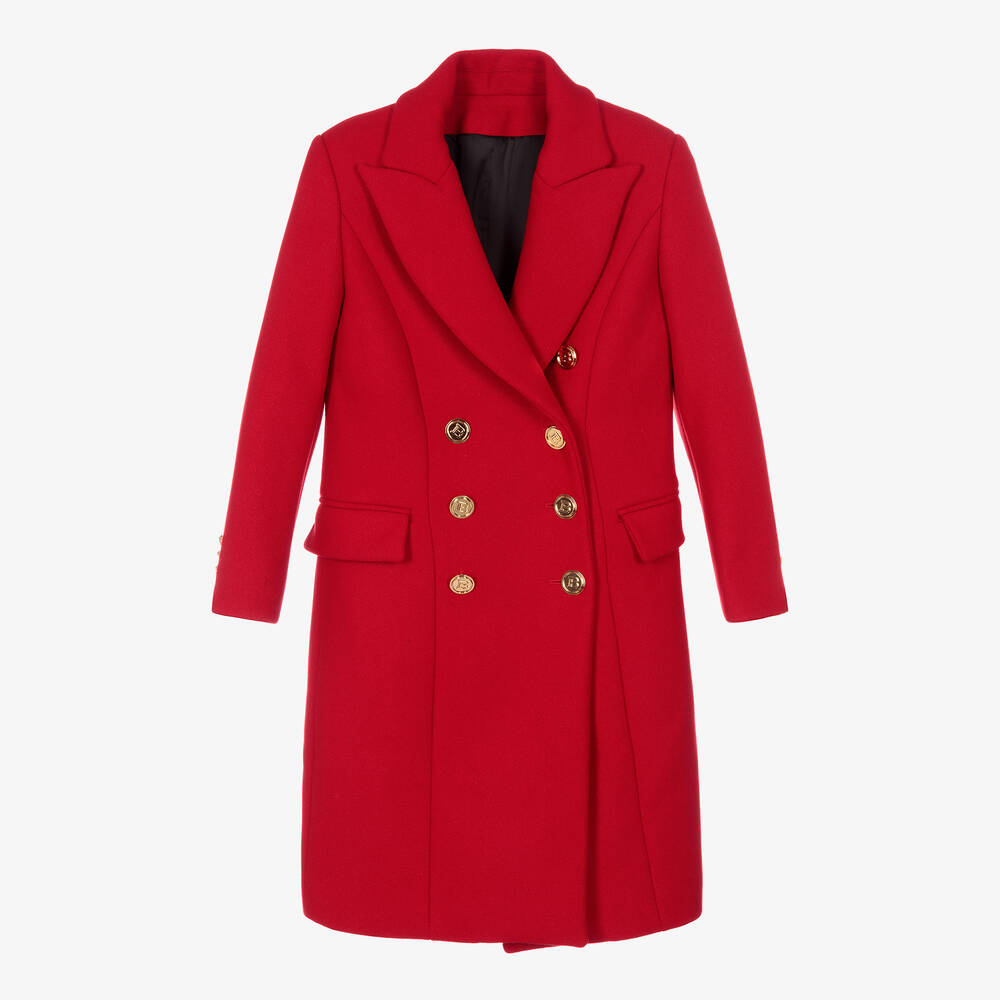 Source: www.childrensalonoutlet.com
A "Basic Needs Allowance" in if the family earns no more than 130 percent of the federal poverty level, the grant will provide benefits to troops. The Department of Defense (DoD) has long studied the willingness to serve of American youth.
A 2019 DoD poll found that only 13 percent of 16- to 24-year-old Americans say they are likely to serve in the next few years. We asked our teenage military members if they plan to serve in the military in the future.
Program Admissions Criteria
A surprising majority (65.15%) answered yes. Even though the country has no military installations, military youth are found everywhere in our country. Military youth are represented by parents who are in the Guard, Reserves, Active Duty, Wounded Warrior, or they may have a parent who recently retired from the military.
Regardless of whether the teen has a parent or stepparent who is currently or formerly in the military, teens are all affected by military service. We can help to connect military teenagers through camp. Regular movement can lead to a lack of connection, which directly contributes to well-being.
The average military kid moves six to nine times before graduating high school. Parents can help by encouraging children to get involved in their local communities to help ease these transitions. Mia Burgos, a member of the Army Youth Team, recommends “Use everything you've learned to your advantage and get involved
even when you know you're leaving, because making those connections is so valuable. Fortunately, many alternative treatment programs have emerged over the years. Better programs focus more on education and life skills rather than harsh punishment.

Some of these programs even take place in the wilderness rather than a prison-like setting. Johnnie Johnson, a former NFL All-Pro player and founder of the Moving Families Initiative, emphasized the "challenges and discomfort" of frequent moves and how they can be mitigated by participating in events such as debate clubs or sports - not only
not for bonding, but Life lessons learned and great friendships formed. To our surprise, despite many things that make life in the military difficult, more than half declared their intention to serve in the future. They are all our military teenagers today - many of them People are tomorrow's military force.
The National Military Families Association (NMFA) is partnering again with Bloom: Empowering Military Teens to better understand the experience of America's military teens. For the second year in a Rick-Edinburgh Mental Health Scale (SWEMWBS) to measure the well-being of the military youth community aged 13 and over. "We always say military children serve, they Serve too, but it is also the population that
will serve our country and protect our country in the future, so it is important. "Military teens don't succeed when their mental health depends on connections. Military kids move a lot—sometimes every two to three years. They're uprooted, out of their neighborhoods and school communities, and migrating across the country, even across the globe. The pace of operation over
the past two decades have also meant that they often don't have at least one parent, and they can be deployed at a moment's notice. All of this separation affects the mental health of adolescents. May 2021, In conjunction with Bloom: Empowering Military Youth,
NMFA surveyed more than 2,000 military youth using the Warwick-Edinburgh Mental Health Scale (WEMWBS), a validated 7-item scale used to assess well-being in the military youth community ages 13 and older sensory and mental functioning We also rely on the USDA Food Safety Survey of Youth Ages 12 and Older (USDA shorthand) to measure the food insecurity levels of our military teens.
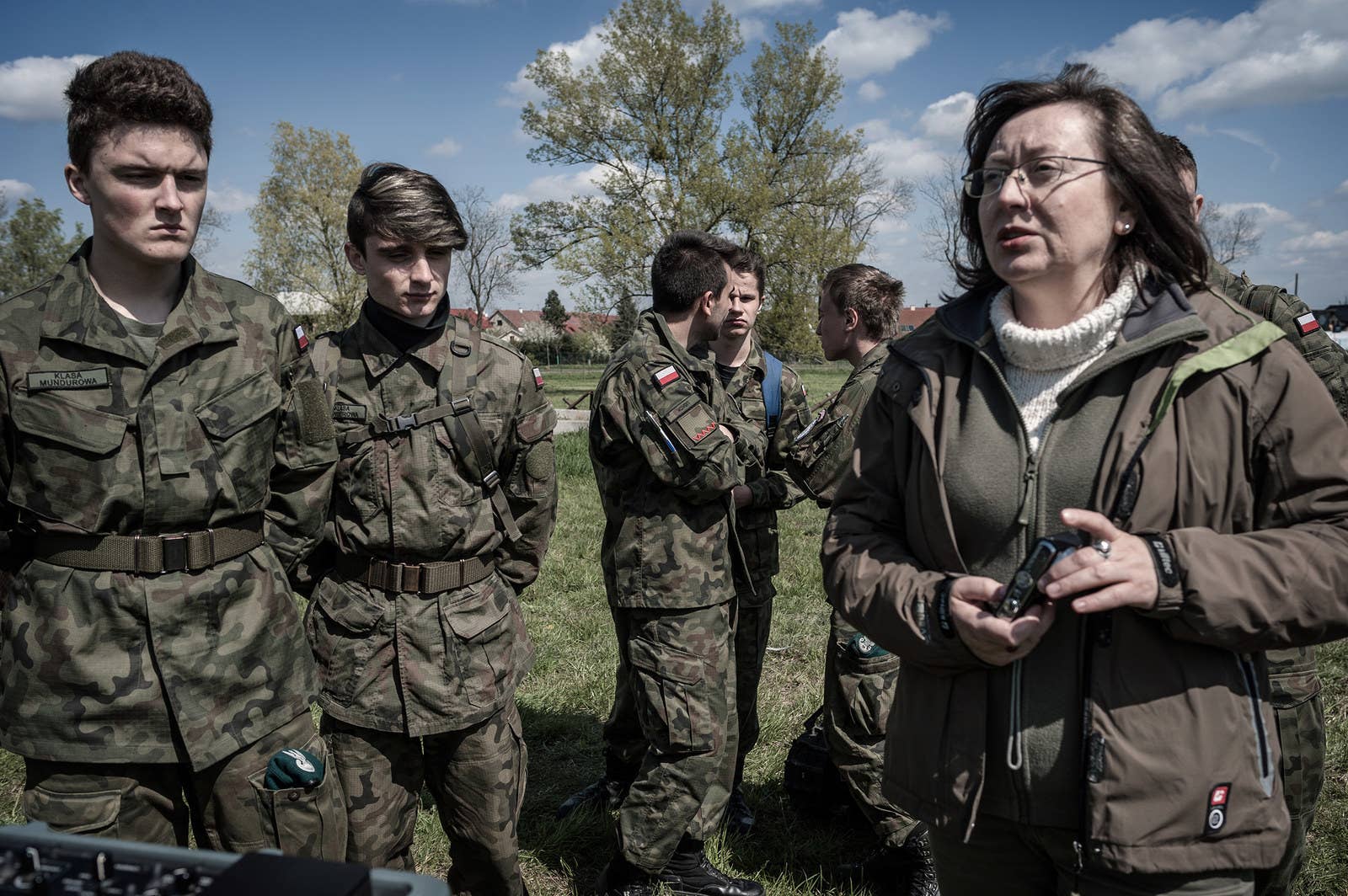 Source: img.buzzfeed.com
e measure. Also note that there are other funded camps. We feature Purdue's partnerships with the Department of Defense and the USDA in this post. If you have questions about other camp events offered in 2019, feel free to reach out to staff.
One of the highlights of Summit One is a town hall discussion on Diversity, Equity and Inclusion (DEI) titled "Uplift, Activate, Lead. This town hall will be moderated by H Walker, DEI Officer, Boys & Girls Clubs of America, and
Social Justice and Youth Advocate Justin Simmons, Denver Broncos safety Damaris Lewis, actor, dancer, philanthropist and entrepreneur, and member of the Boys and Girls Clubs Alumni Hall of Fame Dr. Daphane Carter, Texas KIPP Public Schools Governor and Principal
Academic Officer Both Growing Up Military Teens Nominated for Boys & Girls Club of the Year America's Military Youth Bloom: Empowering the Military Teen is an online website founded by military teens Elena Ashburn and Matthew Oh to provide the military teen community with a
provide a place to share their experiences, writing, artwork, memes and more.The Families Overcoming Stress (FOCUS) Program Provides Resilience Training for Military Children s, families and couples. The program teaches practical skills to help participants overcome common stressors associated with military life challenges, and use current strengths to effectively communicate, problem solve, set goals, and share a family story. During the two years,
We used a descriptive cross-sectional research design using a voluntary response sample that provided us with two snapshots of the military teenage population at a point in time. A limitation of this sample is that it is somewhat biased;
 Source: www.militaryonesource.mil
some are inherently more willing to volunteer than others. But the stories they tell very clearly. The survey of more than 2,000 teens aged 13 to 19 in military families found that 42 percent reported poor mental health during the pandemic and 45 percent reported moderate mental health.
It was released Thursday by the National Military Families Association (NMFA). Nearly half said they had experienced at least one deployment, and about 14 percent said they had experienced five to 10 deployments. Fifteen respondents reported 19 or more deployments by one or both of their parents.
Christeen Greenwell, an airman, military spouse and mother of a teenager at Edwards Air Force Base in California, created a support program for teens called Support, Outreach, Action, Resilience (SOAR) resilience program. Greenwell started this program to fill the gap and provide tools and resources directly to military youth.
While the project is that of local residents in Edwards, Greenwell would like to see the program expand. While the majority of teenagers (63%) who completed our survey said they reported a moderate level of well-being, only 9% reported high levels of mental health.
Disturbingly, 28% scored low on mental health, and in addition to the SWEMWBS questions, 37% of respondents said they had considered harming themselves or others. However, we are not the only ones concerned about the mental health of teenagers in our community.
In October 2021, the American Academy of Pediatrics, the Association for Child Health, and the American Academy of Child and Adolescent Psychiatry even declared a "national child mental health emergency." "Last year was a tough one for all teenagers, military and non-military alike. The topics we discussed at the Military Youth Summit—from mental health awareness to suicide prevention to diversity, equity and inclusion—were ranked as the number one issue in our youth planning committee.
their lives," said Jane Rogers, national vice president of partnerships and development for the Boys & Girls Clubs of America. "As youth advocates, we have a responsibility to provide a platform for teens to voice their concerns, peer-
provide advice and share solutions and coping mechanisms from experts in the field. We are thrilled to have Boys & Girls Clubs America Affiliated Youth Center teens help guide these important conversations." Make sure your browser supports JavaScript and cookies, and that you are not preventing them from loading. For more information, you can
check our terms of service and cookie policy.